The Enduring Question: Who Holds the Key to the Next Dalai Lama?
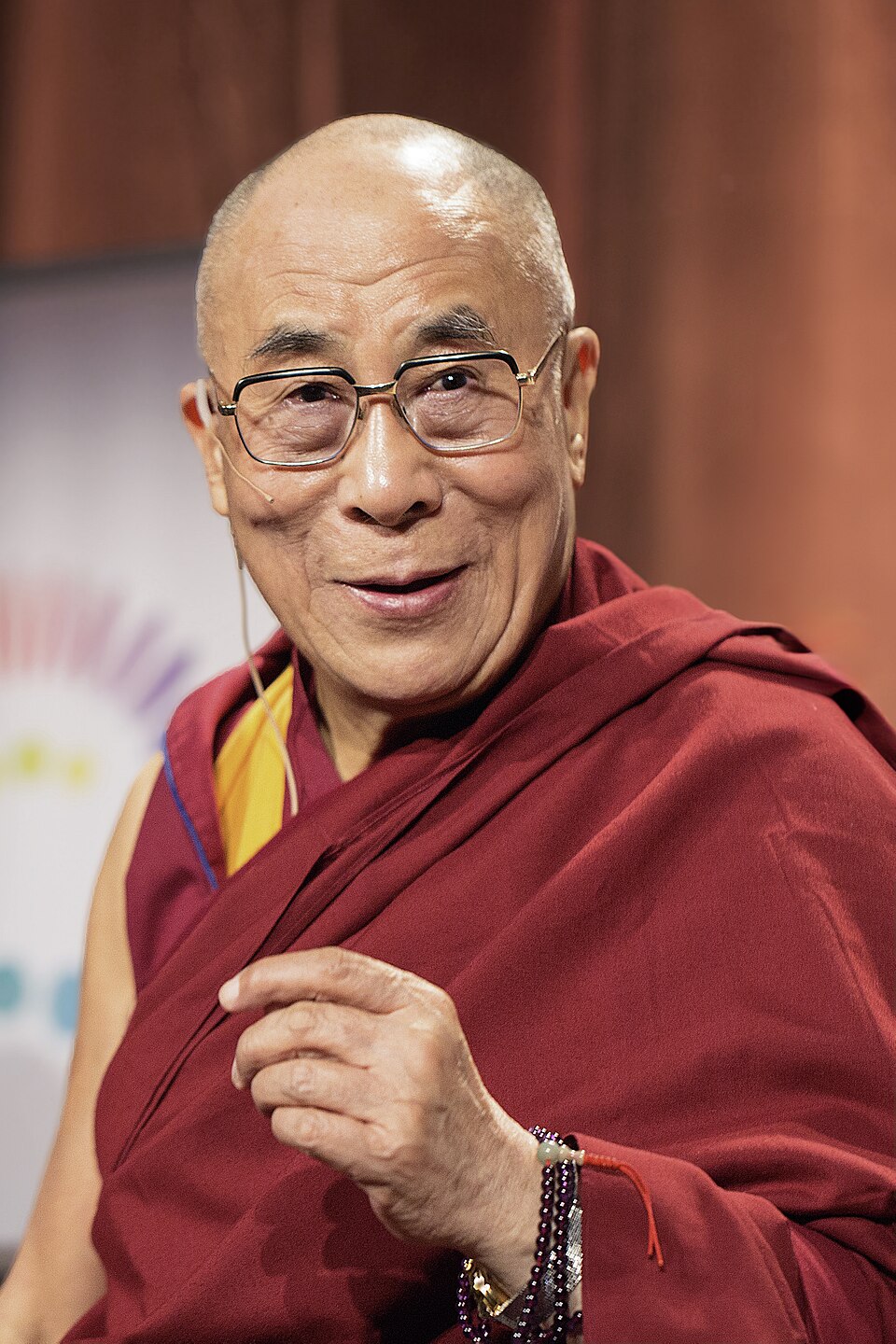
The global spotlight recently turned to Dharamsala, India, as thousands of devoted Tibetan Buddhists gathered to mark the 90th birthday of His Holiness, the 14th Dalai Lama, Tenzin Gyatso. For years, the spiritual leader had candidly entertained the possibility that he might be the "last" Dalai Lama, casting a shadow of uncertainty over the future of an institution spanning over six centuries. However, at this pivotal moment, he delivered a resolute and affirming message: "The institution of the Dalai Lama will continue." This powerful declaration didn't merely dispel doubt; it ignited a fresh chapter in a long-standing geopolitical and spiritual conflict, fundamentally challenging Beijing's assertive claims over Tibetan Buddhist leadership. The question of who decides the next Dalai Lama—and by extension, the very future of Tibetan identity—is now more pressing than ever, highlighting a profound ideological clash.
This Dalai Lama affirms future: a direct challenge to Beijing's control, signaling a determined stand against external interference. It underscores the critical importance of spiritual autonomy in the face of political control, particularly concerning the Dalai Lama alter and the potential changes to a revered tradition.
China's Unwavering Claim: A Geopolitical Chess Match
The People's Republic of China, through its officially atheist Communist Party (CCP), has long insisted on its right to control the reincarnation process of the Dalai Lama. This isn't a new posture; imperial China historically attempted to exert influence, notably through a 1793 ordinance concerning the identification of Buddhist reincarnations. Today, the CCP continues this assertion, claiming final say over who will be recognized as the next spiritual leader, despite the Dalai Lama's clear rejection of any Beijing-imposed candidate.
Beijing views the current Dalai Lama as a dangerous separatist, a narrative that intensified after he fled Tibet in 1959 following a failed uprising against Chinese rule. He subsequently established a Tibetan government-in-exile in Dharamsala, India, which China refuses to recognize. The CCP's insistence on controlling the succession is a strategic move to solidify its grip on Tibet, aiming to appoint a pliant figure who would legitimize their rule and undermine the global spiritual authority of the Dalai Lama. This was starkly demonstrated with the controversial appointment of the Panchen Lama, another significant figure in Tibetan Buddhism, by Beijing in the 1990s—a move widely rejected by Tibetans and the international community. The Chinese Foreign Ministry's immediate response to the Dalai Lama's recent affirmation was to reiterate their stance: the reincarnation "must be chosen by drawing lots from a golden urn and approved by the central government." This directly confronts the spiritual leadership's authority and seeks to alter the very fabric of Tibetan religious freedom and cultural preservation within Tibet, where human rights advocates report widespread repression, including censorship, surveillance, and harsh penalties for dissent.
The Dalai Lama's Vision: Redefining Succession Authority
In response to China's persistent interference, the 14th Dalai Lama has taken decisive steps to safeguard the integrity of the institution. In a significant 2011 edict, reaffirmed in his latest statement, he formalized a succession process designed to empower only his office with the ability to recognize his future reincarnation. This critical document explicitly states that any candidate chosen or imposed by Beijing would not be recognized by the Tibetan Buddhist community. This is a crucial attempt to prevent any external force from creating a schism within the religious lineage.
According to this edict, the Gaden Phrodrang Trust, the official office of the Dalai Lama, holds the exclusive authority for identification. While the exact selection process remains spiritually nuanced rather than rigidly defined, it traditionally involves a meticulous interpretation of spiritual signs, consultations with Dharma protectors (Buddhist deities), and guidance from the heads of Tibet's various Buddhist traditions. These steps are steeped in centuries of custom and spiritual discernment, standing in stark contrast to a politically motivated appointment. The Dalai Lama's firm stance ensures that the ultimate decision rests within the spiritual domain, independent of any governmental or geopolitical agenda. This deliberate act is a spiritual bulwark, designed to protect the integrity of the Dalai Lama alter and the institution itself from political manipulation.
Beyond Tradition: Gender, Nationality, and the Future of the Dalai Lama Alter
Traditionally, the search for a new Dalai Lama would commence after the incumbent's passing, focusing on identifying a child reincarnation, historically a boy, within Tibet. This child would then undergo years of rigorous spiritual training to prepare for his exalted role. However, in a groundbreaking move that reflects his progressive vision and strategic foresight, the 14th Dalai Lama has introduced an element of flexibility that could significantly impact the future of the institution. He has explicitly stated that his successor could be of any gender and, importantly, not necessarily of Tibetan nationality.
- Gender Fluidity: The possibility of a female Dalai Lama represents a radical departure from historical precedent. While there have been revered female spiritual leaders in Tibetan Buddhism, none have held the ultimate leadership role of the Dalai Lama. This opens doors for greater inclusivity and sends a powerful message about the evolving nature of spiritual leadership in the modern world. It also serves as a strategic move; finding a female reincarnation might further complicate China's efforts to control the succession.
- Nationality Considerations: Suggesting a non-Tibetan nationality for the next Dalai Lama is equally revolutionary. It reflects the global spread of Tibetan Buddhism and acknowledges that spiritual wisdom and leadership are not confined by geographic or ethnic boundaries. This also provides another layer of complexity for Beijing, as claiming authority over a non-Tibetan successor could be even more diplomatically challenging and undermine their narrative of internal governance.
These declarations regarding the potential Dalai Lama's Successor Rules: Gender, Nationality, and China's Role are not merely speculative; they are deliberate strategies aimed at future-proofing the institution and ensuring its continued spiritual integrity. By broadening the potential pool of candidates, the Dalai Lama seeks to make it virtually impossible for Beijing to credibly impose its own puppet successor, as any such candidate would lack the spiritual legitimacy and international recognition bestowed by the current Dalai Lama's authority.
Why This Matters: The Broader Implications
The ongoing struggle over the Dalai Lama's succession carries profound implications far beyond the confines of Tibetan Buddhism. It is a microcosm of larger conflicts regarding religious freedom, human rights, and the assertion of cultural identity against authoritarian control. The world watches closely because:
- Spiritual Autonomy: The ability of a major world religion to choose its own leader without state interference is a fundamental aspect of religious freedom. China's actions challenge this universal principle.
- Human Rights: The CCP's policies in Tibet, including forced assimilation and suppression of Tibetan language and culture, underscore a broader human rights crisis. Control over the Dalai Lama's succession is another facet of this oppression.
- International Diplomacy: Many nations and international bodies have expressed concern over China's claims. The legitimacy of the next Dalai Lama will be a significant diplomatic issue, impacting China's international standing.
- Preservation of Tibetan Culture: For Tibetans, the Dalai Lama is not just a spiritual leader but also the embodiment of their cultural identity and hope for the future. His succession process is central to their survival as a distinct people.
For individuals and governments concerned about these issues, supporting the Dalai Lama's spiritual authority is crucial. This can involve advocating for religious freedom in international forums, recognizing the Gaden Phrodrang Trust's authority in succession matters, and raising awareness about the plight of Tibetans under Chinese rule. Understanding the nuances of the Dalai Lama alter in the succession process and the broader implications for religious freedom is paramount.
Conclusion
The 14th Dalai Lama's reaffirmation of the institution's continuity and his clear vision for his succession represent a powerful assertion of spiritual authority in the face of immense geopolitical pressure. By empowering his office, rejecting Beijing's interference, and introducing flexibility regarding gender and nationality, he has crafted a robust defense for the future of the Dalai Lama lineage. The battle for the next Dalai Lama is more than a religious dispute; it is a critical struggle for religious freedom, human rights, and the cultural survival of the Tibetan people. As the world approaches a pivotal moment in this centuries-old institution, the international community's recognition of spiritual autonomy over political coercion will be vital in ensuring that the sacred lineage of the Dalai Lamas continues to thrive, guided by spiritual wisdom rather than state decree.